

A new report from DNV forecasts global carbon capture volumes rising from 41mn tonnes of CO2 annually today to 1.3bn tonnes by 2050. However, DNV’s outlook warns that even this rapid expansion would remain far short of what is needed to achieve global net-zero targets.
The report argues that CCS is shifting from a niche technology linked largely to oil and gas production into a core part of industrial decarbonisation strategies. Manufacturing sectors are expected to account for 41 per cent of captured emissions by mid-century, with cement, steel and chemicals emerging as the strongest long-term growth drivers.
Jamie Burrows, global segment lead for carbon capture, utilisation and storage at DNV, said: ‘The reality is, if we look at energy transition, we need all solutions. There’s no one correct solution. We’ll need everything and lots of it. There really isn’t a good alternative to carbon capture to decarbonize cement manufacture today’.
The outlook finds that some sectors will struggle to eliminate emissions solely through renewable power usage. Cement remains one of the clearest examples because most emissions come from the chemical production process rather than fuel combustion.
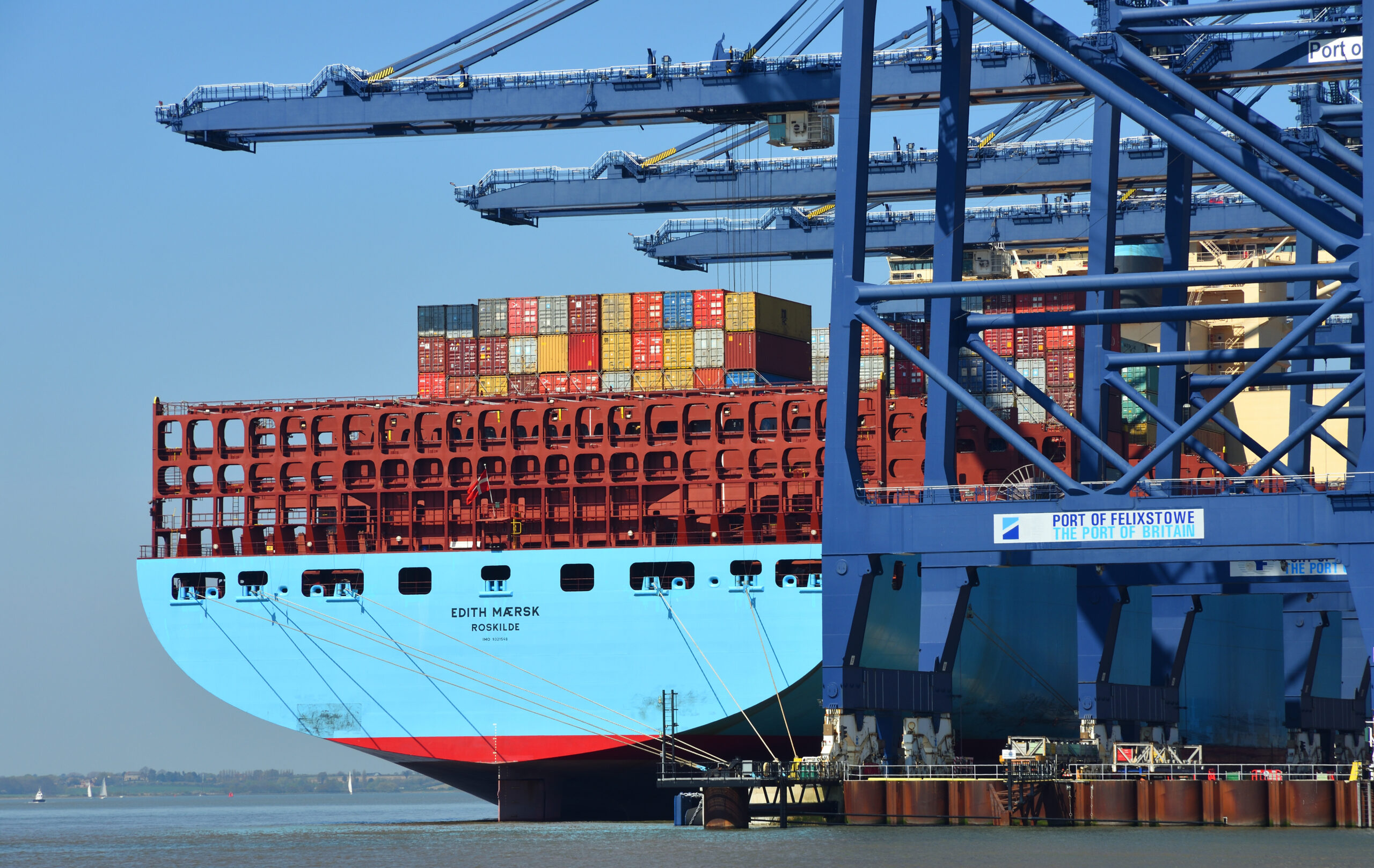
Shipping is a key component of CCS planning and DNV expects onboard carbon-capture systems to begin scaling commercially from the 2040s, particularly for vessels where fuel switching proves difficult or uneconomic.
‘Onboard carbon capture could be one of the more cost-effective means to decarbonize maritime vessels,’ Burrows said, although he noted that significant technical and infrastructure barriers remain, including onboard storage requirements, power demand and port offloading infrastructure.
While pipelines remain the dominant transport method, projects such as Northern Lights are helping establish commercial models for cross-border ship transport and offshore injection.
DNV also highlighted growing interest in floating CO2 storage and injection units, which could allow operators to relocate offshore injection infrastructure between storage sites as projects mature.
The report suggests that Europe is likely to become a global centre for offshore CO2 storage development, partly because public opposition has constrained onshore storage projects in several countries. Under the EU Net Zero Industry Act, oil and gas operators are expected to help develop a collective 50mn tonnes per year of storage capacity by 2030.
Despite improving momentum, DNV argues that policy support remains the single most important determinant of deployment. Burroughs continues: ‘CCS deployment is entirely dependent on policy support. Generally, for projects to move ahead, the cost of emitting CO2 must be greater than the cost of capturing and storing it.’
The economics remain difficult even as capture costs are forecast to decline by around 40 per cent by 2050. DNV estimates cumulative CCS investment will reach roughly $700bn over the coming 25 years, excluding onboard carbon capture for ships.
The report concludes that CCS is no longer competing for relevance within the energy transition debate. The key question is whether governments and industry can build transport, storage and capture infrastructure quickly enough to match their decarbonisation goals.