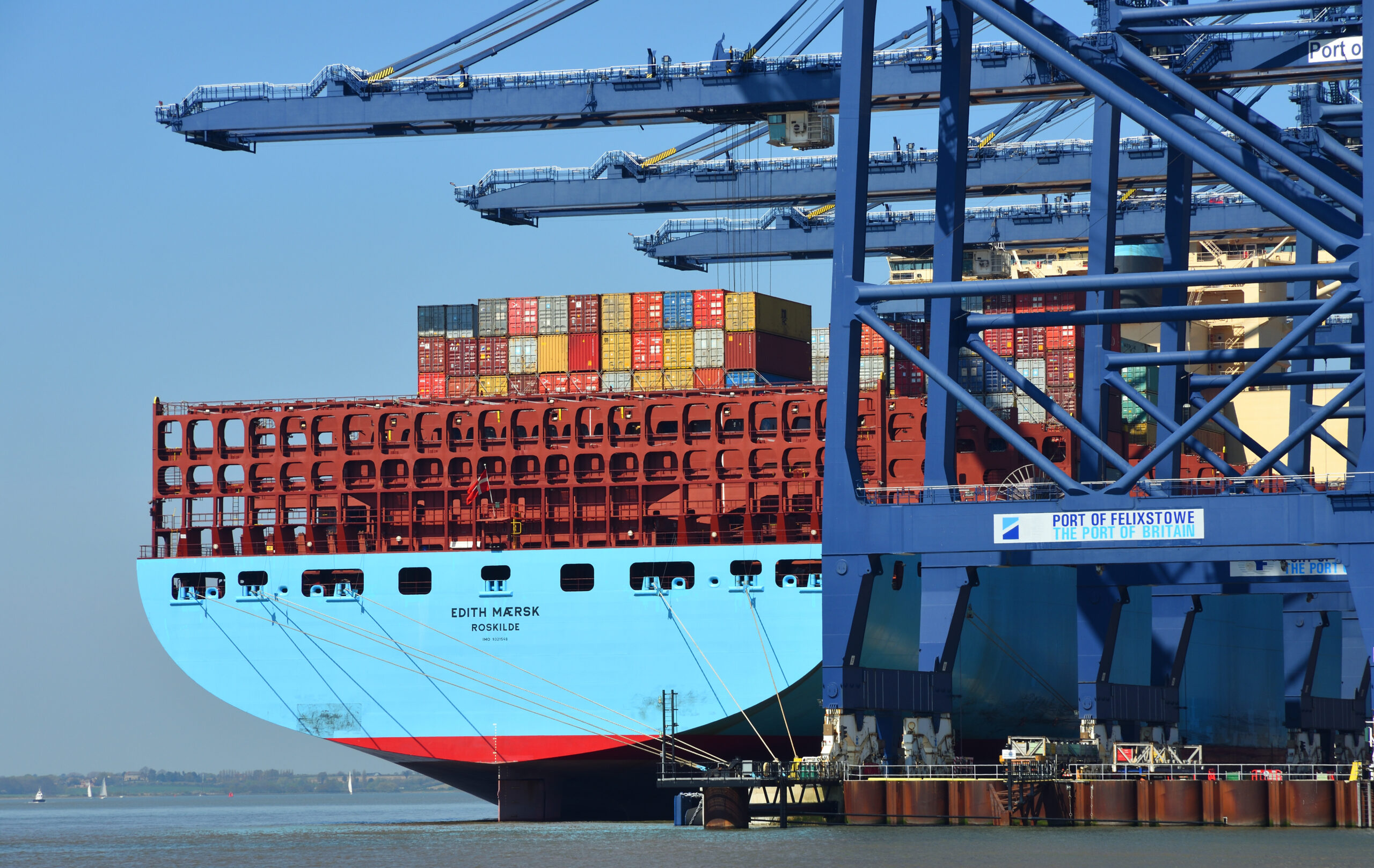


Daphne Technology and Maran Gas, part of the Angelicoussis Group, have completed a pilot project to test methane abatement technology at sea. This seeks to address methane slip from liquefied natural gas (LNG)-fuelled ships, which is one of the principal challenges impacting LNG’s potential as a transitional fuel.
The trial, carried out onboard the LNG carrier Maran Gas Chios, represents the first deployment of Daphne Technology’s SlipPure Plasma-Catalytic Methane Slip Aftertreatment system on a commercial vessel. The system was retrofitted to the ship’s dual-fuel engines to evaluate its performance under operational conditions.
Methane slip is the unburned methane emitted from dual-fuel engines. By directly treating exhaust gases, Daphne’s plasma-catalytic process aims to mitigate this effect without major changes to engine design or fuel systems.
According to Daphne, the pilot achieved methane slip reductions of up to 4 ± 2 g/kWh, demonstrating that plasma-based abatement can be applied on board an LNG carrier. The results, while preliminary, validate the underlying concept and provide operational insights that will inform future development phases.
Ivan Raleff, Chief Financial Officer of Daphne Technology, described the pilot as a crucial step in testing the technology’s feasibility: ‘This was the first time SlipPure™ Plasma-Catalytic system has been deployed on a ship. It represented a bold step into uncharted territory, and the opportunity to conduct the trial has given us invaluable insights into how methane abatement systems behave in real-life maritime environments’.
Andreas Spertos, Technical Director at Maran Gas Maritime, commented on the project: ‘Methane slip reduction is an inherent challenge for engines running on gas. When combined with the adversities of the marine environment, the challenge becomes exponentially more difficult. The successful demonstration onboard Maran Gas Chios is a landmark methane abatement technology trial.’
The trial underscores the importance of collaboration between technology developers and shipowners in advancing decarbonisation efforts. Early adopters such as the Angelicoussis Group can play a key role in de-risking innovation by allowing first-of-a-kind technologies to be tested in commercial conditions.
Daphne Technology, based in Lausanne, continues to develop the SlipPure system alongside its PureMetrics emissions monitoring platform. The company is positioning its plasma-catalytic process as a scalable solution for both marine and land-based applications, targeting a growing segment of the carbon economy focused on methane mitigation.