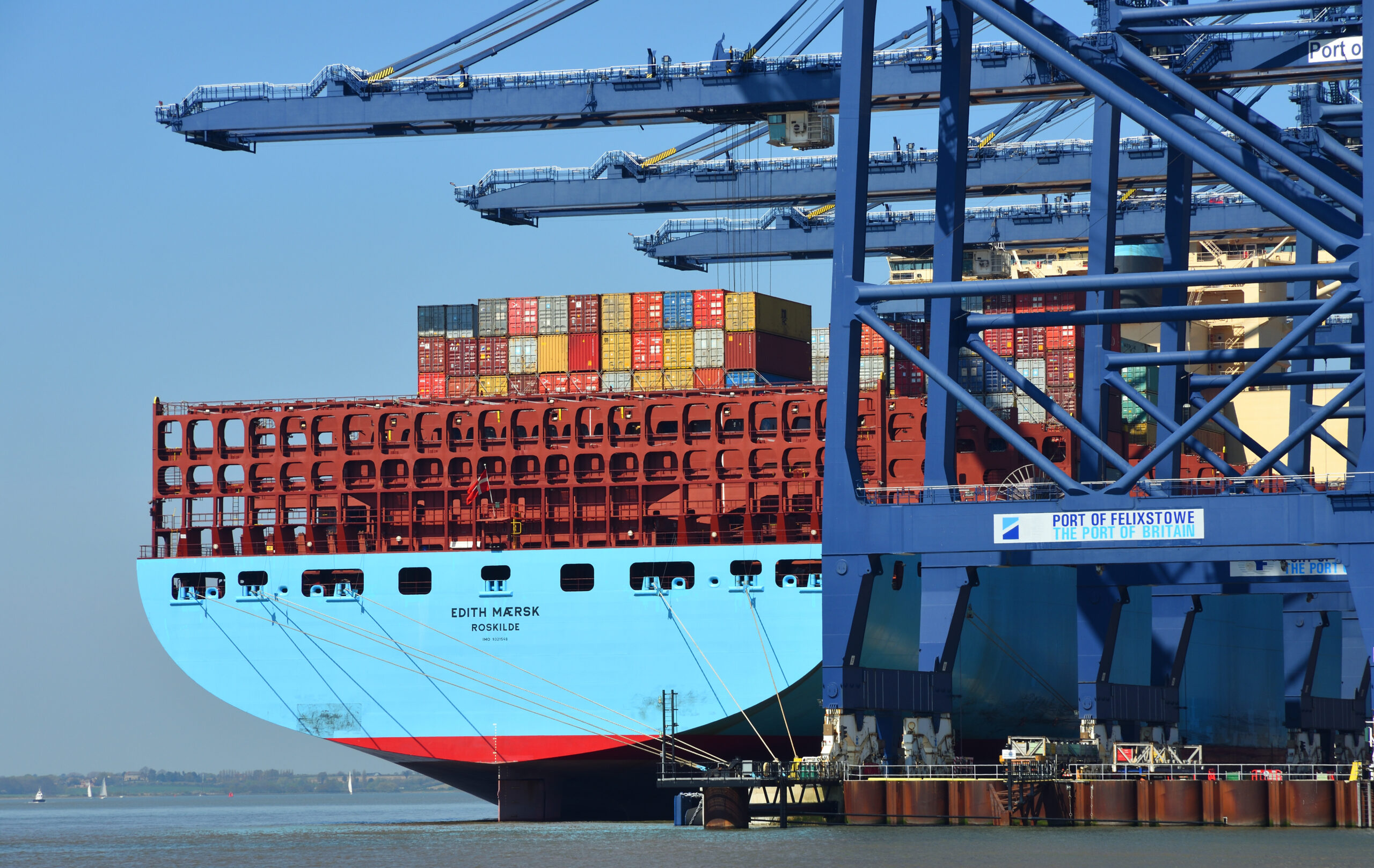


The UK has extended its Emissions Trading Scheme to maritime transport. Large commercial vessels operating between UK ports and in UK port areas were brought under the scope of the UK’s carbon market on 1 July 2026.
Cargo and passenger vessels of 5,000 GT and above operating between UK ports are now required to monitor, report and surrender carbon allowances covering their greenhouse gas emissions, regardless of flag or ownership. Shipping joins sectors including power generation, aviation and heavy industry that are already covered by the UK ETS.
Emissions from voyages between ports in Great Britain are subject to 100% coverage, while voyages between Great Britain and Northern Ireland are subject to 50% coverage. The rules also apply to emissions generated during port calls and while vessels are at berth.
Companies must account for carbon dioxide, methane and nitrous oxide emissions, converting them into CO2e for compliance purposes. Annual emissions reports must be submitted by 31 March following each reporting year. The first surrender deadline, which covers emissions from both 2026 and 2027, is 30 April 2028.
The expansion of the UK ETS forms part of the government’s wider shipping decarbonisation strategy, which includes a commitment to achieve net-zero emissions from the sector by 2050.
Industry groups have criticised the timing and implementation of the scheme. Katrina Ross, shipping policy director at the UK Chamber of Shipping, said: ‘The government advice has been piecemeal and fragmented. The most definitive guidance on how to comply only came two weeks before entry into force.’
The UK ETS differs from the EU ETS in several respects. Under the UK system, emissions reporting and compliance are managed at company level rather than ship level.
The two systems also have different compliance timelines and carbon prices. UK carbon allowances are valued at approximately £54 per tonne of CO2, compared with approximately €80 per tonne under the EU ETS.
Unlike the EU ETS, where funding has been directed towards maritime innovation initiatives, UK ETS revenues currently flow directly into the Treasury. The UK Chamber of Shipping has called for greater reinvestment of ETS revenues into maritime decarbonisation projects, arguing that the sector requires additional support to develop low-carbon fuels and related infrastructure.
The UK government plans to expand the scheme from January 2028 to include international voyages. Under the proposed framework, 50% of emissions from eligible international routes would be covered. The government has also stated its intention to maintain alignment with the EU ETS, with discussions continuing on a formal linkage between the two carbon markets.