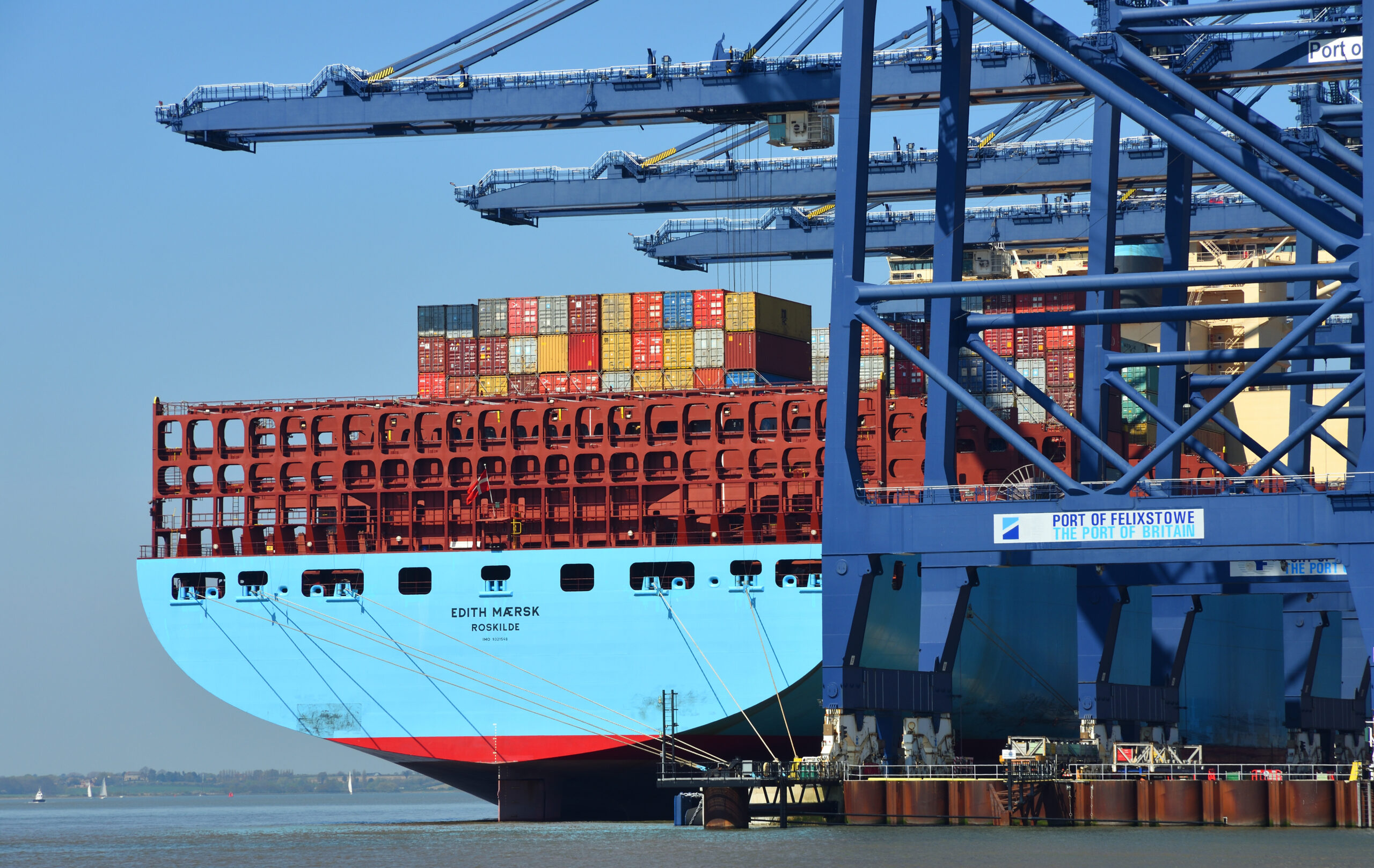


Clear Carbon and Sea have partnered to embed maritime emissions directly into enterprise-wide carbon reporting and forecasting systems. The collaboration integrates Sea’s specialised shipping emissions data, covering Scope 1 and Scope 3, into Clear Carbon’s broader platform, which manages Scope 1, 2 and 3 emissions across asset-intensive organisations.
Because maritime carbon data is often managed in parallel systems, this creates fragmentation between operational insight and board-level reporting. Peter Schroder, CEO of Sea, said: ‘Shipping emissions shouldn’t be treated as a separate factor in broader carbon strategies. This partnership brings them directly into core enterprise workflows, giving organisations confidence, clarity and control over maritime carbon as part of their wider decision-making.’
Sea’s tools are built around the Sea Cargo Charter framework, combining voyage and fuel data with Automatic Identification System (AIS) tracking and verified noon reports. The dataset is used by chartering teams to assess vessel performance before and during contracts. By linking this operational layer to Clear Carbon’s finance-grade reporting environment, maritime emissions can be incorporated into enterprise forecasting, capital planning and risk management processes.
Clear Carbon’s platform is a single, auditable source of information across emissions to land, water and air. The integration with Sea is designed to extend that coverage to shipping-related Scope 1 and Scope 3 emissions, with full data lineage and traceable workflows to support assurance and board oversight.
Hemal Modi, CEO and Founder of Clear Carbon, said that ‘[b]y combining Sea’s maritime intelligence with Clear Carbon’s enterprise carbon expertise, this partnership provides a game-changing, unique, and credible capability for managing marine emissions at scale. It’s not just reporting. It’s active, governed carbon management that supports regulatory, investor, and executive-level requirements.’
For cargo owners, the ability to quantify and forecast maritime exposure with confidence will make them better placed to structure green freight agreements, evaluate abatement investments and manage transition risk.