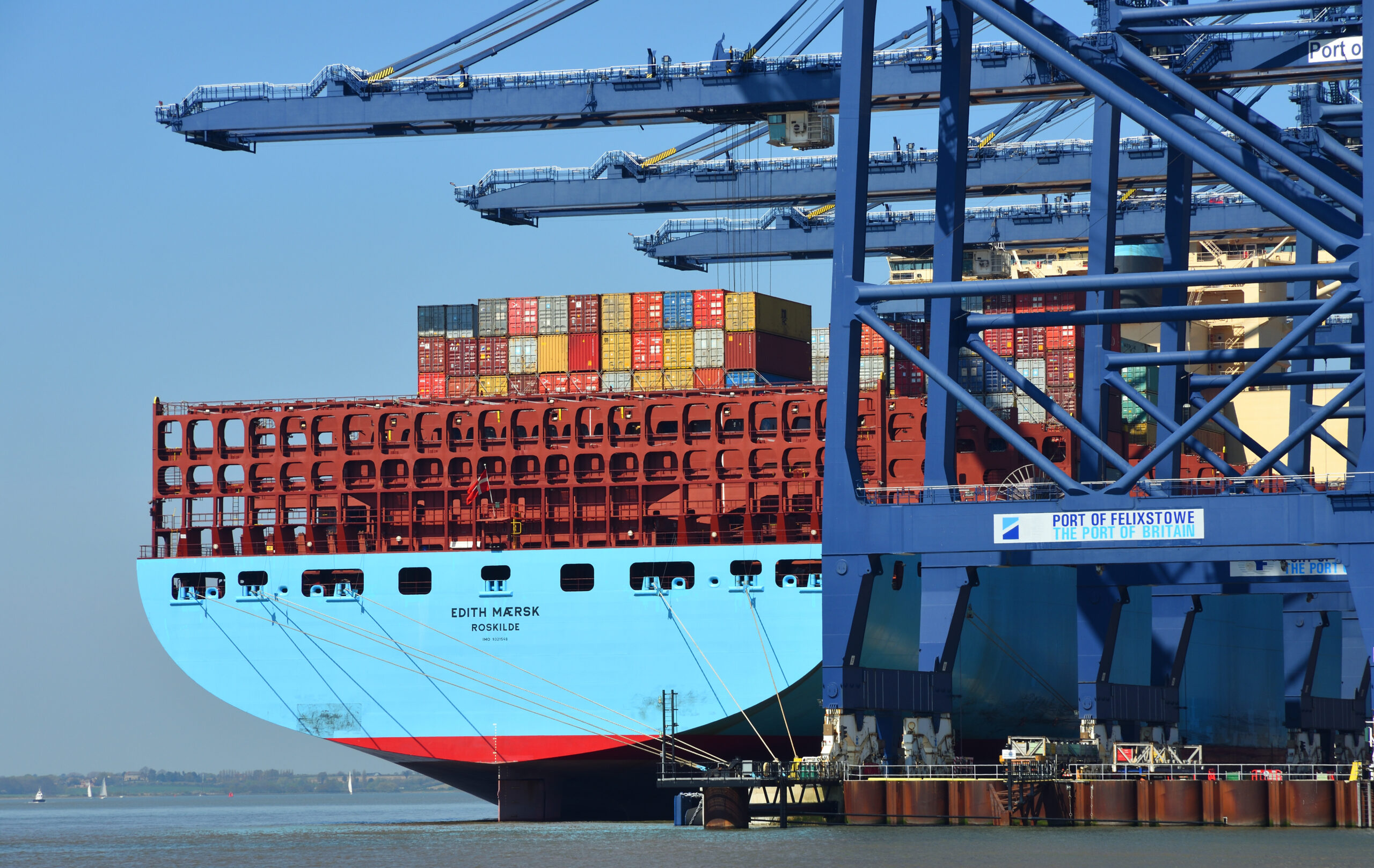


Preliminary emissions data for 2025 indicates that shipping’s inclusion in the EU Emissions Trading System has resulted in a 3 per cent year-on-year reduction in reported emissions.
Although the maritime sector has been under full regulatory exposure since January 2026, the European Commission cautions that reporting remains ongoing and final trends will only become clear once reporting is complete in 2027.
Shipping companies were required to surrender allowances for 40 per cent of emissions in 2024, rising to 70 per cent in 2025, and for 100% coverage 2026. The system applies to vessels above 5,000 GTs calling at EU and EEA ports, which covers all intra-European voyages and half of emissions from international legs.
Verified data shows total EU ETS emissions fell by 1.3 per cent compared with 2024 levels to extend a longer-term trend. Emissions are now around half of 2005 levels, which keeps the bloc on course for its 2030 target of a 62 per cent reduction.
Emissions from energy intensive industries declined by 2.5 per cent year-on-year in 2025 due to lower construction activity as well as the ongoing energy transition
In the power sector, emissions from fossil fuel generation fell modestly despite a 1.7 per cent increase in overall electricity output. Renewable energy accounted for 47.3 per cent of the generation mix, with solar expanding by 24.6 per cent year-on-year. Strong solar growth offset weaker wind and hydro output to allow solar to overtake hydropower as the second-largest renewable source after wind.
At the same time, electricity generation from fossil fuels rose by 3.5 per cent, which reflects increased gas use even as coal emissions declined. In the maritime sector, these dynamics are relevant to the lifecycle emissions of alternative fuels such as green hydrogen and e-methanol, whose carbon intensity depends heavily on the power mix.
As reporting for 2025 is finalised, the data will provide a clearer benchmark for how carbon pricing is shaping emissions trajectories.