
Two recent announcements on low-carbon ammonia highlight a new challenge for shipping. Building ammonia-capable ships is one thing; securing affordable fuel in a market increasingly dominated by large industrial consumers could be quite another.
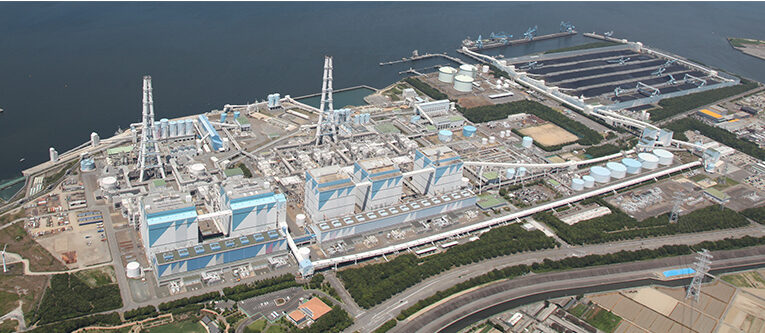
JERA’s decision to charter four ammonia carriers from NYK and MOL will establish a dedicated supply chain linking Louisiana in the US with Japan’s power sector. Meanwhile, Fortescue’s agreement with CMB.TECH commits up to 12 ammonia-capable bulk carriers to one of the dry bulk sector’s most ambitious decarbonisation programmes.
Viewed together, the announcements illustrate how ammonia utilisation is moving beyond pilot projects towards integrated commercial ecosystems that link production, transport and end use.
But they also demonstrate that shipping is only one participant in a much larger market.
Around 80% of the world’s ammonia is already consumed by the fertiliser industry, which itself faces growing pressure to decarbonise production. Utilities are now creating a second major source of demand through projects such as JERA’s ammonia co-firing programme. Steelmakers, chemicals producers and other heavy industries are expected to follow as governments pursue wider industrial decarbonisation.
That should be good news as if land-based industries finance production plants, export terminals and international supply chains, shipping stands to benefit from lower costs, greater fuel availability and a more mature market than it could create on its own.
The JERA announcement, however, illustrates another side of the issue. JERA has not simply contracted vessels to transport ammonia, it has taken a 35% equity stake in the Blue Point ammonia project itself, helping to secure production capacity before the fuel reaches the market.
This reflects a growing recognition that early supplies of low-carbon ammonia are likely to be scarce, expensive and strategically important. Rather than relying on future spot markets, major consumers are increasingly looking to secure volumes through long-term offtake agreements, joint ventures and direct investment in production.
The question for shipping is whether it can rely on that market developing organically, or whether it too will need to move upstream.
To date, most shipowners have focused on ordering dual-fuel vessels, confident that fuel supply will follow. That assumption may prove optimistic if early production is largely committed to utilities, fertiliser producers and industrial users that have invested directly in the projects bringing new capacity online.
Shipping’s advantage is that it is likely to require only a relatively small share of global green ammonia production in the near future. Its disadvantage is that in later years it may be competing for those volumes against customers with deeper pockets, larger demand and, increasingly, ownership stakes in the production assets themselves. And if that is the case, at what price will the ammonia be available in such a competitive market? The question then becomes, should shipping follow the example of land-based consumers by taking equity stakes in production projects to secure long-term access to fuel?
For an industry investing billions in ammonia-capable ships, these are questions worth asking now rather than once the fuel is needed.